Washed vs Unwashed Eggs: What's the bloomin' difference?
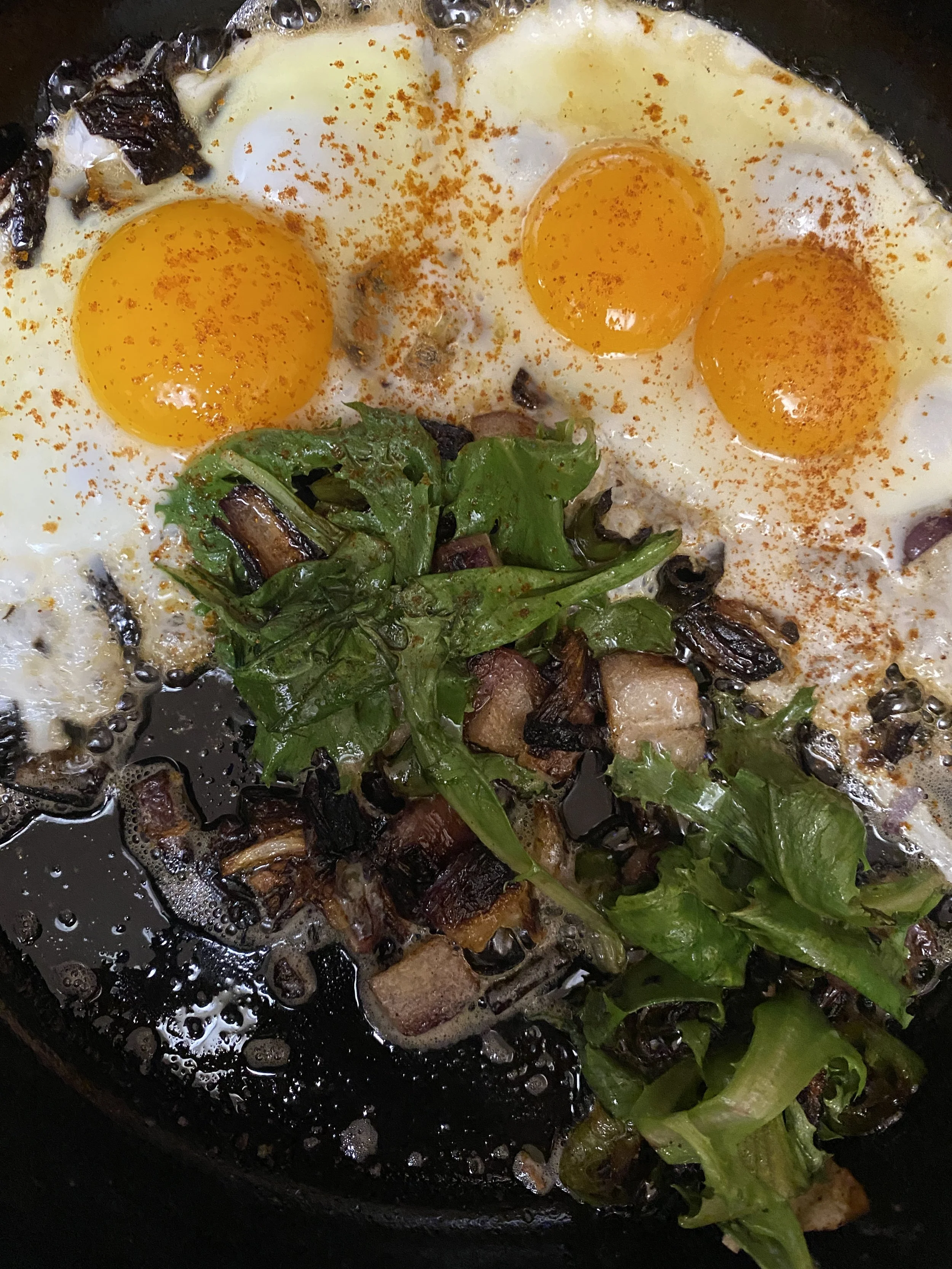
If you've ever taken home farm-fresh eggs, or visited a grocery store outside of the country, you may have been surprised to learn that eggs don't necessarily need to be refrigerated. In fact, the United States is one of the few countries that promotes the washing and refrigeration of eggs.
A lot of customers ask us questions about our pastured eggs, so here, we answer a few common ones here.
The difference between washed vs unwashed eggs
Before a hen lays an egg, her body creates a protective layer called the "bloom" over the shell. The bloom protects the egg from any bacteria getting inside by sealing the 6,000-8,000 shell pores.
Large commercial egg producers spray their eggs with a chemical sanitizer before they package them, to reduce the risk of bacteria like salmonella contaminating the egg. When eggs are washed, the "bloom" is removed, leaving the egg pores open to potential new bacteria. Without that protective layer, it's recommended that you refrigerate washed eggs at a temperature around 45 degrees to prevent any bacteria growth.
If eggs are left unwashed with the bloom intact, you can place them on your kitchen counter. Unwashed, room temperature eggs should keep for about two weeks. If you aren't planning to eat your eggs for a while, we recommend refrigerating them. The cooler temperatures increase the shelf life, with eggs keeping for up to three months in the refrigerator.
The pastured eggs we sell on our online store are unwashed, which means that the bloom is still intact and you can store them on your counter or in your refrigerator. However, if you buy eggs from the grocery store, these eggs have been washed and bleached per regulation. These eggs , without their bloom, should be refrigerated like any other grocery store egg purchase.
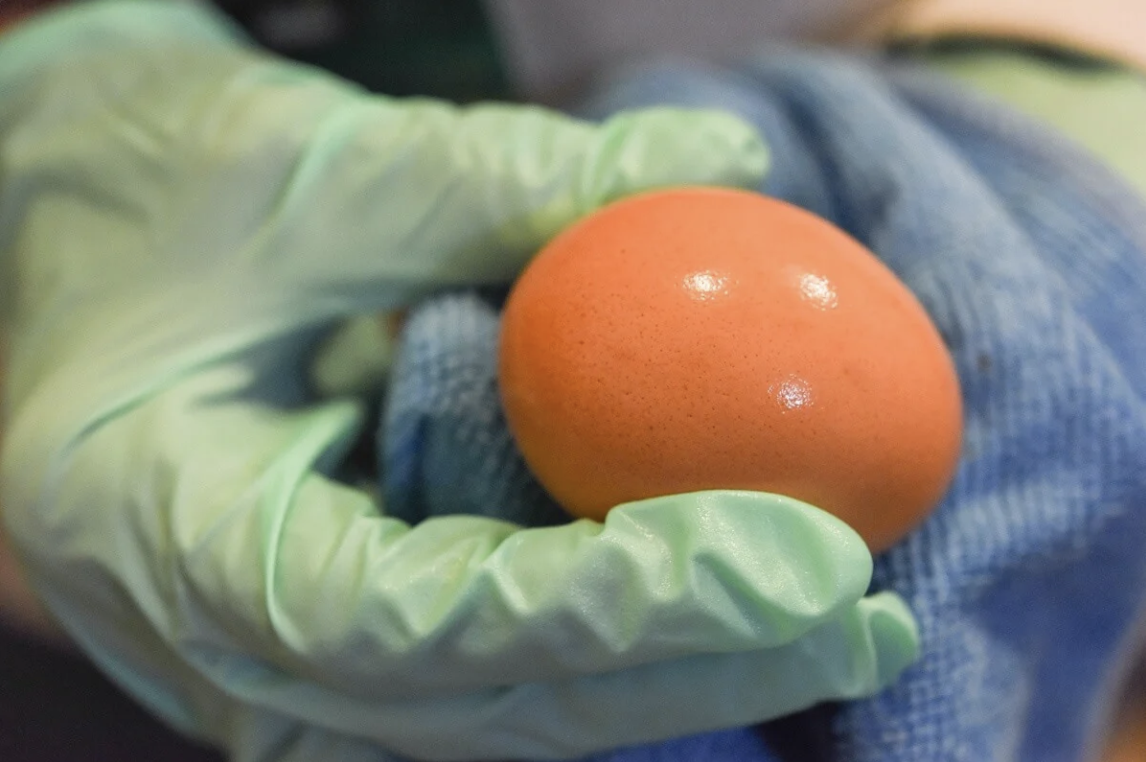
How fresh are your eggs?
Whether you leave your farm-fresh eggs on the counter or in the refrigerator, fresh eggs that come from a farm will taste better than anything you can get at the grocery store.
In the United States, some washed commercial eggs look shiny and new, but the average egg in the grocery store can actually be up to 8 weeks old by the time you buy it (I’d look shiny and new, too, if I’d been sprayed with mineral oil!).

Egg pores are... porous?
Have you ever picked up a certain taste to your eggs? Maybe you store them in your refrigerator door next to the diced garlic, or next to a container of pickles. Notice anything?
We once had a customer call to ask why our eggs tasted like lemons. After much discussion with our production managers, we remained stumped, unable to explain how this could be true. It wasn’t until our chef mentioned this trait that we realized how the pores on our eggs really worked. The customer was as surprised and we were!
Because of the pores on the egg shell, eggs tend to pick up hints of flavor of whatever they are stored around.
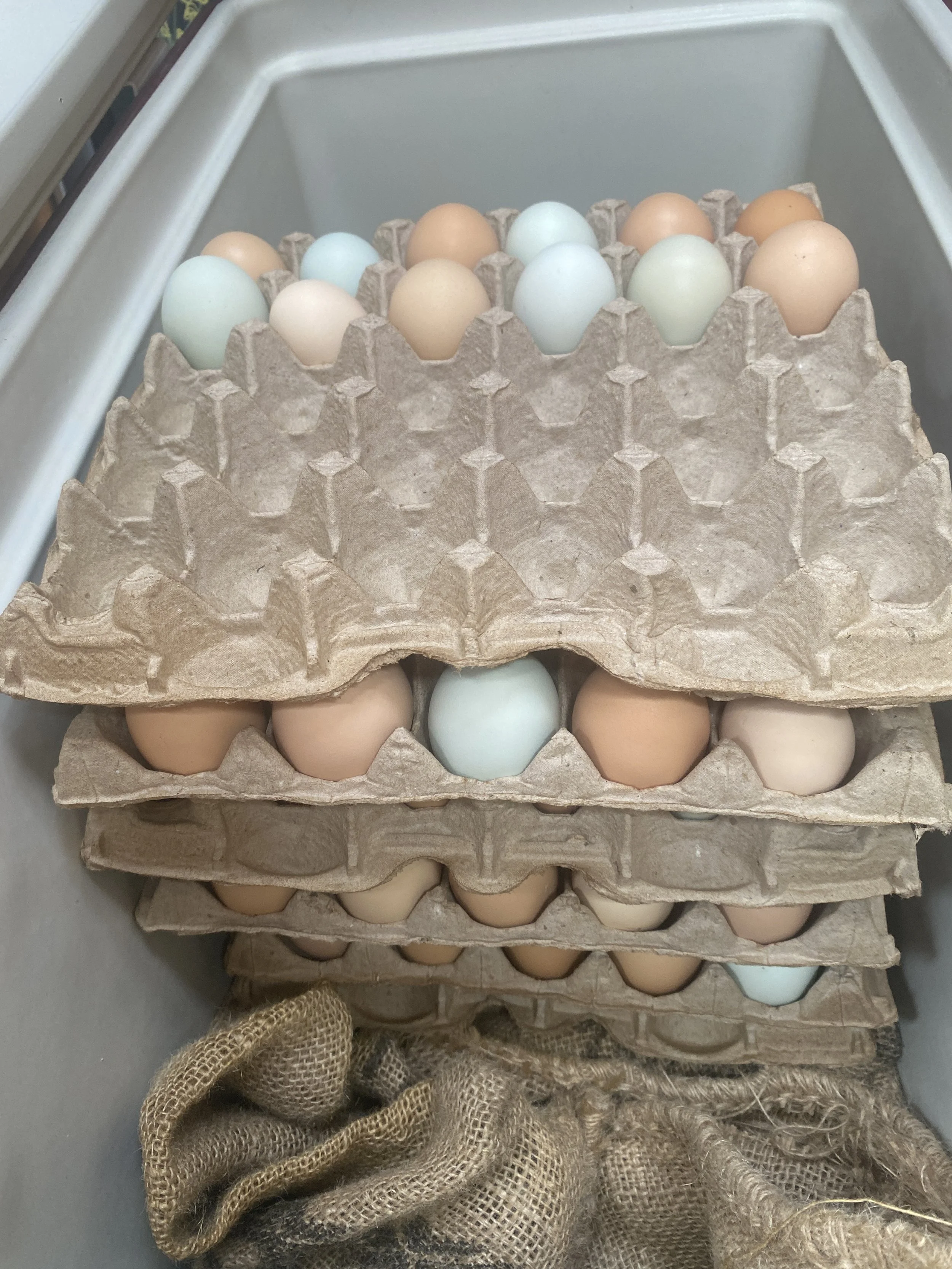
Why pastured eggs?
Our laying hens lead a healthy life, foraging for grub and being active in pasture. Our eggs are incredibly fresh, and our chickens spend their lives outdoors, as they are meant to.
Farmer Chantae puts a lot of work into wholistic animal husbanry care, in gathering and packaging our eggs. We collect over 24 dozen per day in 2025 and will be collecting 54 eggs per day by hand before inspecting, and packaging the eggs on-farm. There could not be a more direct supply chain line from our pasture to your plate.
Grassroots Farmers’ hens lay the healthiest, most natural eggs on the market - and we're certain you'll taste the difference.
❌ NOT ❌ all eggs are created equal.
If you don’t have your own backyard chickens, here’s a quick breakdown to help you make the best choice next time you’re grocery shopping for eggs:
🐓**Cage-Free**
Cage-free hens live inside barns with space to walk around , but they *never go outside**. While better than cages, their environment is still confined.😢
🐓**FREE-RANGE**
Free-range hens get some outdoor access, but it’s often **limited small spaces**. They can roam a bit, but outside time may vary. 🫣
🐓**PASTURE-RAISED**
Pasture-Raised is the gold standard! These hens live outside most of the day, foraging on **wide open pastures**. They enjoy sunlight, bugs, fresh air, leading to healthier, more dense nutritious eggs**. 🥰
💡**Fun-Fact** Pasture-Raised eggs typically have higher omega-3s and bright yellow-orange yolks thanks to the hens’ varied, natural diet.
Aviod Fake Eggs
Saddly, there is a desparte control to push small farmers out, even locally and regionally in Colorado. Why? Hitler invaded Russia to get ahold of Nikolai Ivanovich Vavilov (1887-1943), a Russian botanist and geneticist to be considered to be one of the greatest seed savers. Nikolai collected 250,000-360,000 different seeds, roots, and fruits from all over the world and stored in a seed bank in St. Petersburg, Vavilov centers of origin. Hitler knew that if he could control the food he could control the people.